Pollution prevention belongs in the voyage plan from the start. It connects vessel condition, cargo-transfer preparation, shipboard procedures, crew awareness and port arrangements. Treating it as a final check can leave important questions too late: which controls apply to this operation, who is responsible for them, what equipment or information is needed, and how should a concern be escalated? Those questions are best answered during planning, with the people who understand the vessel, cargo, route and receiving facilities.
MARPOL is the principal international convention addressing pollution from ships. Its technical annexes cover different pollution sources, including oil, noxious liquid substances in bulk, sewage, garbage and air emissions. Annex I addresses the prevention of pollution by oil and contains measures related to ship design and operations. The exact requirements depend on the ship, its activity and the applicable rules; a general overview cannot establish which provisions apply to a particular vessel or voyage.
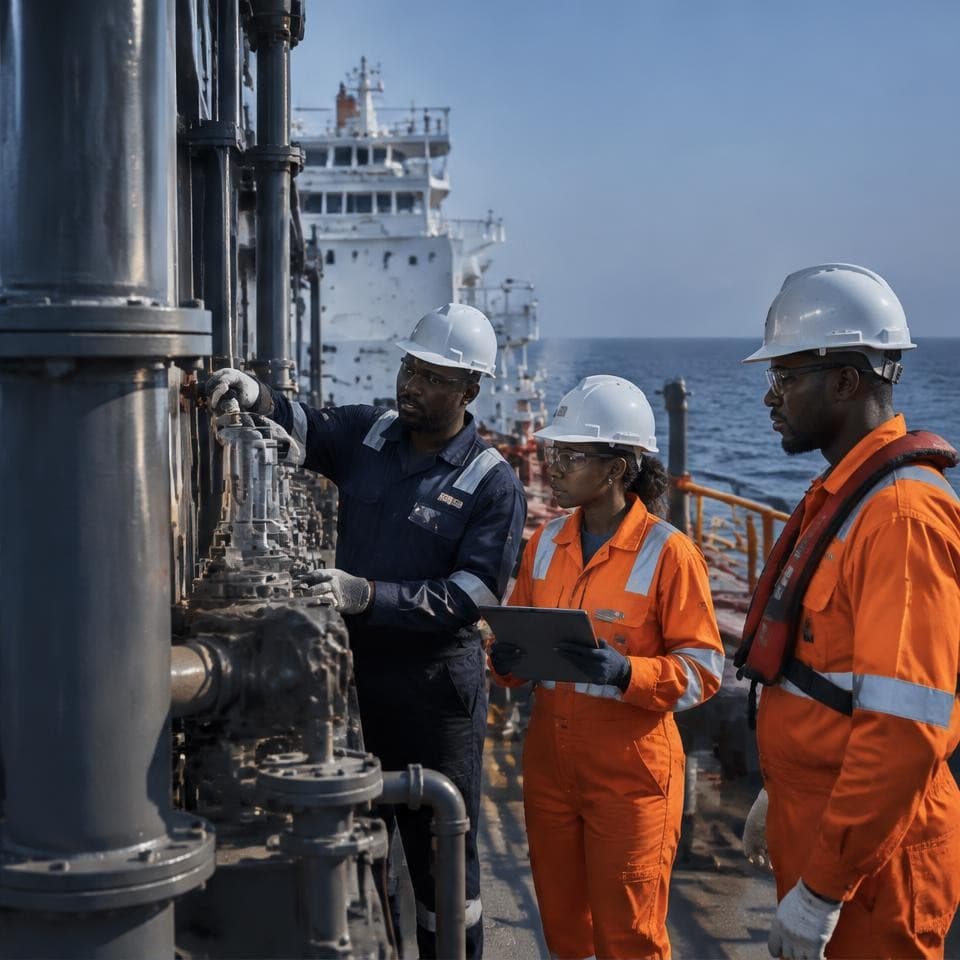
For a product movement, prevention starts with readiness. Teams should understand the transfer plan, identify relevant spill-prevention controls, confirm communication responsibilities and know which shipboard and terminal procedures govern the operation. During loading and discharge, awareness of the transfer and prompt communication of abnormal conditions can help responsible personnel respond. Records of checks, transfers and incidents also support a clear account of the operation and any follow-up required.
Pollution prevention continues while underway and during port calls. The crew and shore-side teams need to understand the applicable operating limits and procedures for the vessel. Waste handling, residue management and any discharge-related controls are governed by the applicable requirements and shipboard documentation. Port reception facilities and local rules may also affect the plan. These details should be verified against current instructions, not inferred from a different ship or port call.
Preparedness matters as well as prevention. People involved in the movement should know how to raise a concern, who is responsible for the next decision and which emergency arrangements are relevant. Drills, familiarization, suitable equipment and clear lines of communication contribute to readiness, subject to the vessel's formal safety procedures and applicable requirements. If an incident or near miss occurs, prompt reporting and careful record keeping support response and subsequent review.
MARPOL and local rules provide the formal framework; day-to-day care depends on people understanding and following the procedures that apply to their operation. This article is an editorial overview, not a compliance checklist or statement about any particular vessel's certification. Operators should consult the current convention text, flag and port-state requirements, vessel procedures and terminal instructions before each voyage.
References & further reading
- 01IMO — MARPOL and pollution prevention
- 02IMO — MARPOL Annex I: prevention of pollution by oil
- 03NIMASA — Maritime safety and security
These sources provide general industry context. Always refer to current rules and voyage-specific requirements.